
Time:2026-07-09 Views:
PCBA vs PCB assembly is a common question during electronics manufacturing quotation. PCBA usually means the finished assembled board, while PCB assembly describes the process of mounting and soldering components onto a bare printed circuit board. The difference is not only about wording. It affects what files you need to prepare, who is responsible for components, how inspection is arranged, and what testing should be confirmed before production.
For projects that need mounted components, PCB XINSHUN provides PCB assembly services based on Gerber files, BOM details, placement data, board specifications, quantity, and project-specific testing requirements.
Table of Contents
PCBA Meaning Assembly Process Scope Comparison Assembly Route Quote Files Risk Review PCB XINSHUN Support FAQ
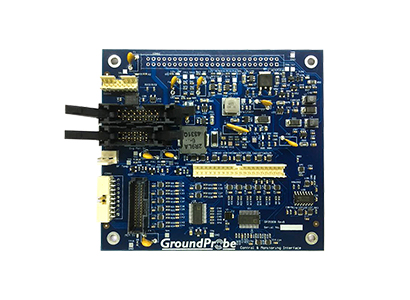
PCBA means a printed circuit board after electronic components have been installed and soldered. A bare PCB only contains the board structure, copper circuits, drilled holes, solder mask, silkscreen, and surface finish. A PCBA adds parts such as resistors, capacitors, ICs, connectors, terminals, sensors, LEDs, relays, or modules according to the design.
In a quotation discussion, PCBA usually points to the deliverable: an assembled board that can be inspected, tested, packed, and shipped according to the agreed scope. It may still need firmware loading, enclosure installation, cable connection, conformal coating, calibration, or system-level testing before it becomes a finished electronic product.

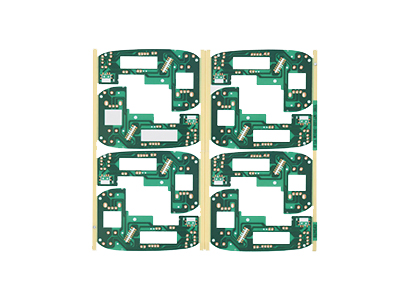
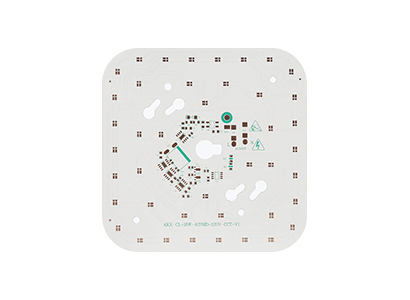
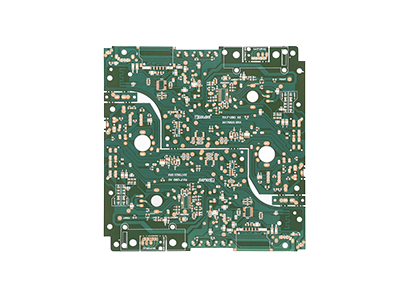
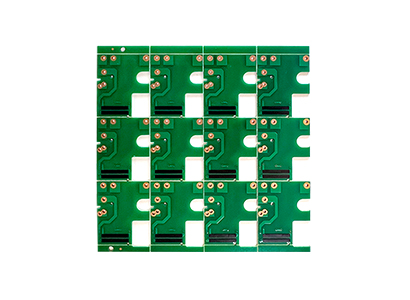
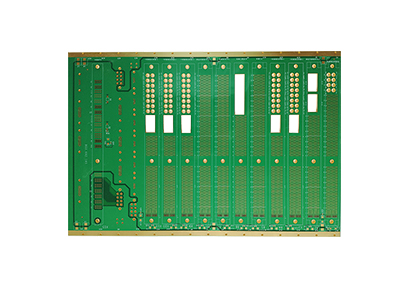
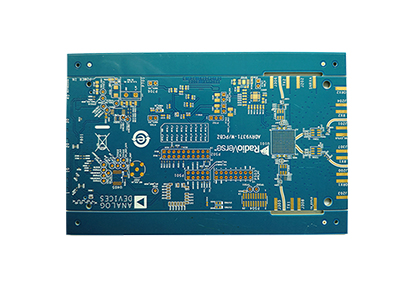
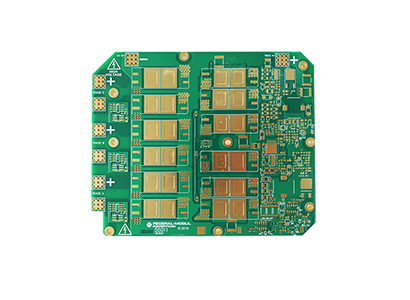
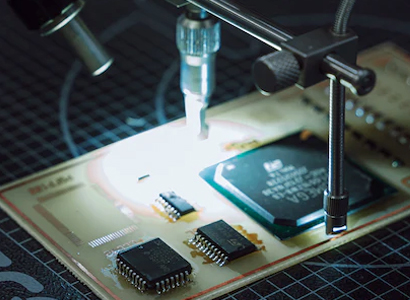
A PCBA project connects board fabrication data with component mounting, soldering, inspection, and testing requirements.
PCB assembly describes the manufacturing process used to place and solder components onto a bare board. The process can include solder paste printing, component placement, reflow soldering, through-hole insertion, wave soldering or selective soldering, visual inspection, AOI, repair review, and functional testing when required.
The right assembly process depends on the board design. A compact sensor board may mainly use SMT components. A power board may need through-hole terminals or relays. An industrial controller may combine fine-pitch ICs, connectors, polarized components, and test points on the same board.
The practical difference is simple: PCBA is the assembled board, and PCB assembly is the work needed to build it. During sourcing, this distinction helps prevent unclear quotes. A bare PCB quote does not include component mounting. A PCBA quote must include component data, placement information, soldering scope, inspection method, and testing expectations.
| Term | Meaning | What It Affects in Quotation |
| PCB | Bare printed circuit board without mounted components. | Layer count, material, copper weight, board thickness, surface finish, routing, drilling, and panelization. |
| PCB assembly | The process of mounting and soldering components onto the bare PCB. | SMT, through-hole work, mixed assembly, process order, inspection depth, and soldering method. |
| PCBA | The board after components are assembled and soldered. | Prototype validation, sample review, batch production planning, packing, and agreed testing scope. |
| PCB assembly services | Manufacturing support for building assembled boards from design files and component data. | BOM review, component sourcing discussion, assembly route, quality inspection, and test preparation. |
A clear assembly route makes production review easier. The manufacturer needs to know whether the board uses mostly surface mount parts, through-hole parts, or a mixed process. This affects equipment planning, soldering order, inspection points, and handling of heat-sensitive or direction-sensitive components.
| Assembly Route | Typical Board Type | Early Review Point |
| SMT assembly | Compact boards with surface mount resistors, capacitors, ICs, sensors, LEDs, and modules. | Package accuracy, pad design, solder paste opening, placement density, and component polarity. |
| Through-hole assembly | Boards with connectors, terminals, relays, transformers, switches, or mechanically stressed parts. | Hole size, lead diameter, solder filling, lead trimming, and mechanical strength. |
| Mixed assembly | Industrial control boards, communication boards, power boards, and OEM electronic modules. | Process order, double-sided placement, component height, heat exposure, and inspection access. |
A reliable PCBA quote needs both board data and assembly data. Gerber files show how the bare PCB should be fabricated. The BOM shows what components must be mounted. The pick and place file shows where each component belongs. Assembly drawings and testing notes reduce avoidable questions before production starts.
| File or Information | What It Should Clarify | Why It Matters |
| Gerber and drill files | Layers, copper, solder mask, silkscreen, drilling, routing, and outline. | They define the bare PCB structure before assembly can be planned. |
| BOM | Reference designator, quantity, value, package, manufacturer part number, and approved substitute when available. | It defines what parts must be purchased, prepared, placed, and checked. |
| Pick and place file | X/Y coordinates, rotation, placement side, and reference designator. | It helps avoid wrong placement, rotation errors, and side confusion. |
| Assembly drawing | Polarity marks, pin-one direction, connector orientation, mechanical restrictions, and special soldering notes. | It reduces production questions and helps inspection teams confirm orientation. |
| Board specification | Layer count, material, board thickness, copper weight, surface finish, and quantity. | It affects fabrication review, process planning, and production cost structure. |
| Testing requirements | Power conditions, test points, firmware needs, functional steps, fixtures, and acceptance criteria. | It defines how the assembled board should be verified before shipment. |
Many PCBA delays come from missing details rather than from the assembly process itself. A BOM without part numbers can slow sourcing. A placement file from the wrong revision can create mounting errors. An assembly drawing without polarity marks can cause risk on LEDs, diodes, electrolytic capacitors, connectors, batteries, and ICs.
Dense boards need additional review. Fine-pitch ICs, QFN packages, BGA areas, very small passive components, double-sided placement, high-current paths, and inaccessible test pads can all affect assembly yield and inspection planning. These points should be discussed before a prototype becomes a batch order.
Acceptance standards should also be clear. For reference, IPC J-STD-001 covers requirements for soldered electrical and electronic assemblies, but the actual acceptance level still depends on the product application, agreed documentation, and project requirements. View IPC J-STD-001 reference.
PCB XINSHUN supports electronics projects that need PCB fabrication and assembly coordination. Review can begin from Gerber files, BOM details, board specifications, component information, quantity, and testing notes. The assembly route can then be discussed according to the real design rather than a short product description.
This is especially useful when a project involves prototype validation, small batch production, industrial control boards, communication electronics, LED boards, or OEM electronic modules. Exact production details should still be confirmed from the actual files, because lead time, process flow, inspection scope, and component availability depend on the confirmed design.
These related pages can help you review board structure and assembly suitability before preparing a PCBA quotation package.
 PCB AssemblyFor projects that need component mounting, soldering, inspection, and assembly review. View Service |  HDI BoardUseful for compact designs, dense routing, fine lines, and multilayer PCB planning. Read More |  High Frequency High Speed BoardRelevant when material choice, signal performance, impedance, and layout control need early review. Read More |
PCBA usually means the assembled board after components are mounted and soldered. PCB assembly means the manufacturing process used to build that assembled board.
Yes. Gerber files define the bare PCB, but assembly review also needs a BOM, pick and place data, assembly drawings, and testing requirements when available.
It depends on the agreed scope. Some projects use consigned parts supplied by the customer, while others require component sourcing support. This responsibility should be confirmed before quotation.
Not always. A PCBA is an assembled board. The final product may still need firmware, enclosure installation, cables, coating, calibration, or system-level testing.
If Gerber, BOM, placement data, and drawings come from different revisions, the assembly team may follow mismatched information. Clear revision names reduce placement errors and review delays.
PCBA and PCB assembly are closely related, but they are not the same. PCBA describes the assembled board. PCB assembly describes the manufacturing process used to mount and solder the components. For sourcing and production planning, the important step is to define whether the quote covers bare PCB fabrication, component sourcing, assembly, inspection, testing, or the complete PCBA package.
Before requesting a quote, prepare a controlled file package, confirm component responsibility, mark special assembly requirements, and describe the testing scope. This helps the manufacturer review the project faster and helps your team compare quotations more accurately.
Send your Gerber files, BOM, placement file, board specifications, quantity, and testing notes to PCB XINSHUN for project review. If drawings, revision notes, packaging requirements, or functional test instructions are available, include them in the same file package.


PCB laminate uses high quality
FR-4 material for PCB production!

3-5days' Delivery
99% on-time shipping

Paypal online guarantees the
instant,convenient, and secure
payment!

Track Fabrication Process On Line
Professional Technical Assistance

PCB XINSHUN fully compliant with the
ISO 9001: quality management
system and UL certificate.
 live:407eab808ea4a40d
 133 1645 5968
 Email:sales@pcbxinshun.com
 Building 2, Wanxia Industrial Zone, No. 32, Xiangxing Road, Baoan District, Shenzhen City, Guangdong Province



 Shopping Cart
2
Shopping Cart
2


 Smart Quote